Have you ever downloaded a game that said “Free!” in big letters, then asked you to sign in, pick an avatar, and allow notifications before you even started playing? That’s not an accident. Many free games are built around collecting information about you — what you like, how long you play, where you are, and even who your friends are. Understanding free games data privacy for kids helps you enjoy your favorite games while keeping your personal information safe.
The Real Reason Games Are “Free”
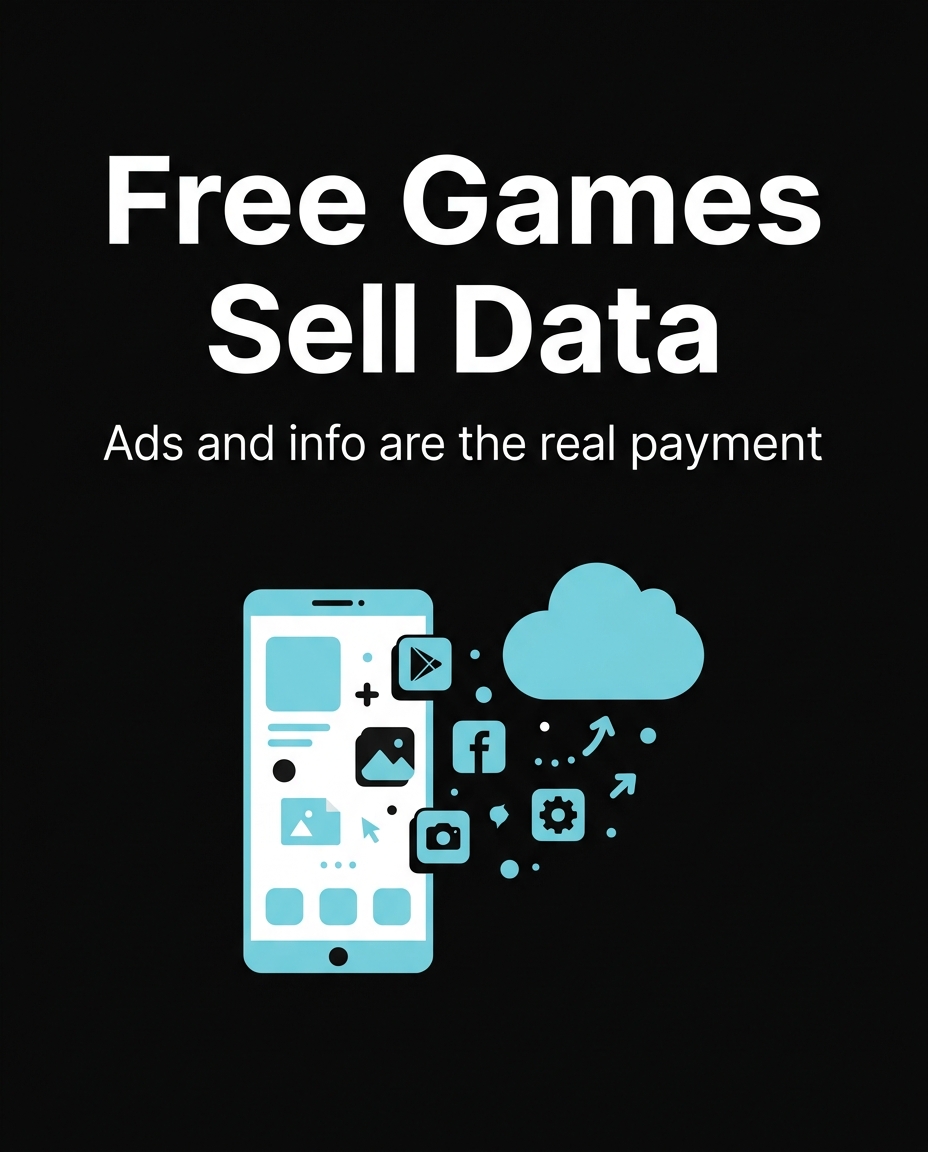
Building a game costs real money — artists, coders, servers, and updates all cost thousands or even millions of dollars. So how can a company give away a game for free and still pay for all that? The answer is data and in-game purchases. Many free games make money by showing ads that are picked just for you, or by collecting information that gets sold to advertising companies. The game itself is free, but your attention, your habits, and sometimes your personal details become the real product.
Real Cases: When Games Collected Too Much
This isn’t just a theory — it has happened with games millions of kids play. In 2022, the company behind Fortnite, Epic Games, was ordered by the U.S. Federal Trade Commission (FTC) to pay $520 million in penalties. Part of the case involved collecting personal data from players under 13 without properly asking parents for permission, which broke a law called COPPA (Children’s Online Privacy Protection Act).
In another case, Google and YouTube paid $170 million in 2019 after regulators found that YouTube collected data from kids watching videos — including tracking what they watched — without parental consent, and used it to send targeted ads.
Even the popular app TikTok paid $5.7 million in 2019 to settle claims that it illegally collected names, email addresses, and location data from users younger than 13. These aren’t small startups — they’re some of the biggest tech companies in the world, and they still got caught collecting more data than they were allowed to from young users.
What Kinds of Data Do Games Actually Collect?
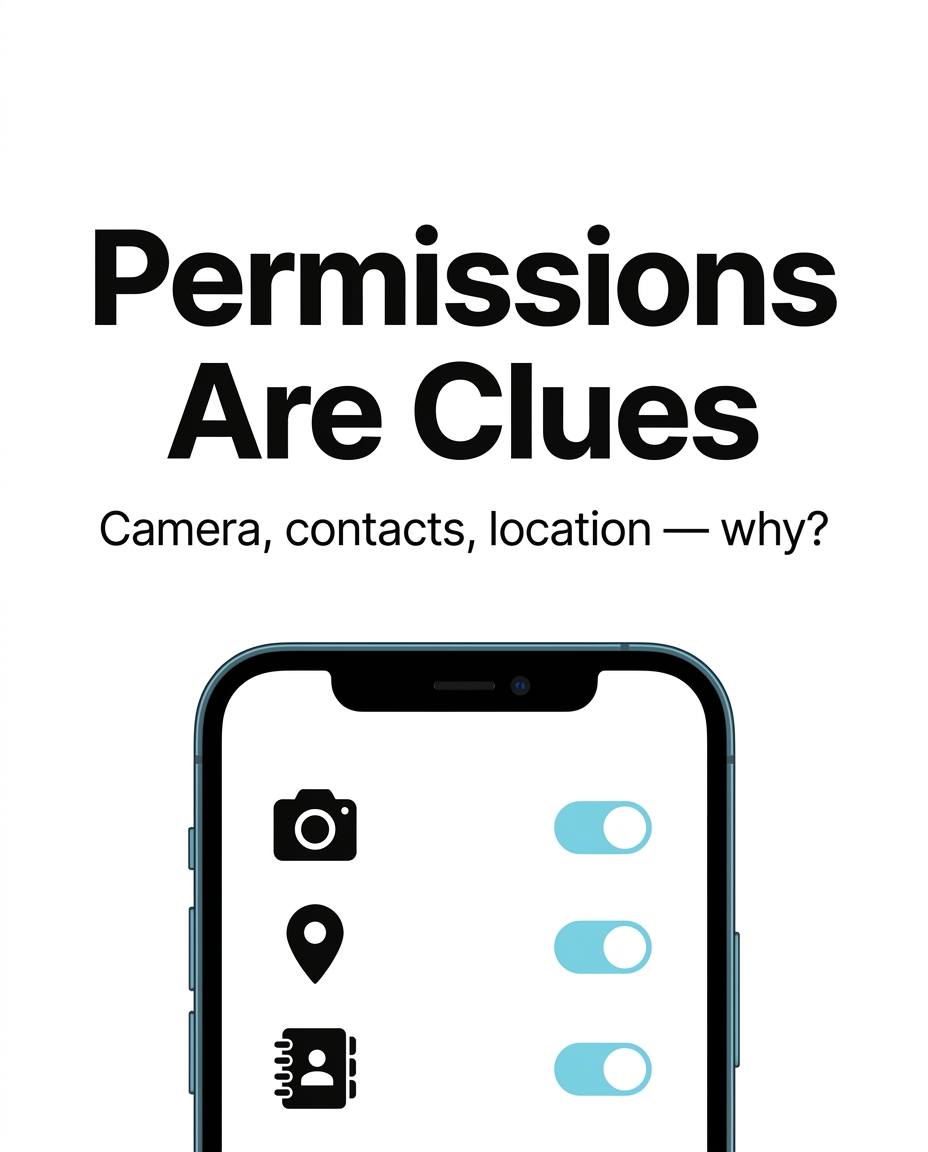
When you open a free game, here’s some of what might be gathered, often without you realizing it:
- Your device information — the type of phone or tablet you use, which helps companies build a profile of you.
- Your location — some games ask for GPS access “to improve gameplay,” but really use it for ad targeting.
- Your contacts or friends list — games like certain versions of Roblox or mobile party games ask permission to see your contacts so they can suggest “friends to invite.”
- How long and how often you play — this helps companies figure out the best moment to show you an ad or a “limited time offer” to buy coins or skins.
- Your voice or chat messages — some games with voice chat features record snippets of conversations to check for bad behavior, but this data can also be stored longer than expected.
Why This Matters, Even If You Feel You Have “Nothing to Hide”
You might think, “So what if a game knows I like blue skins and play after school?” But small pieces of data add up. A company can combine your age, location, play habits, and device type to build a detailed profile — sometimes detailed enough to guess your school schedule or your neighborhood. That profile can be sold to advertisers, or in worse cases, leaked if the company gets hacked. In 2020, a data breach at the mobile game company Webkinz exposed information from over 23 million accounts, including usernames and encrypted passwords — many belonging to kids.
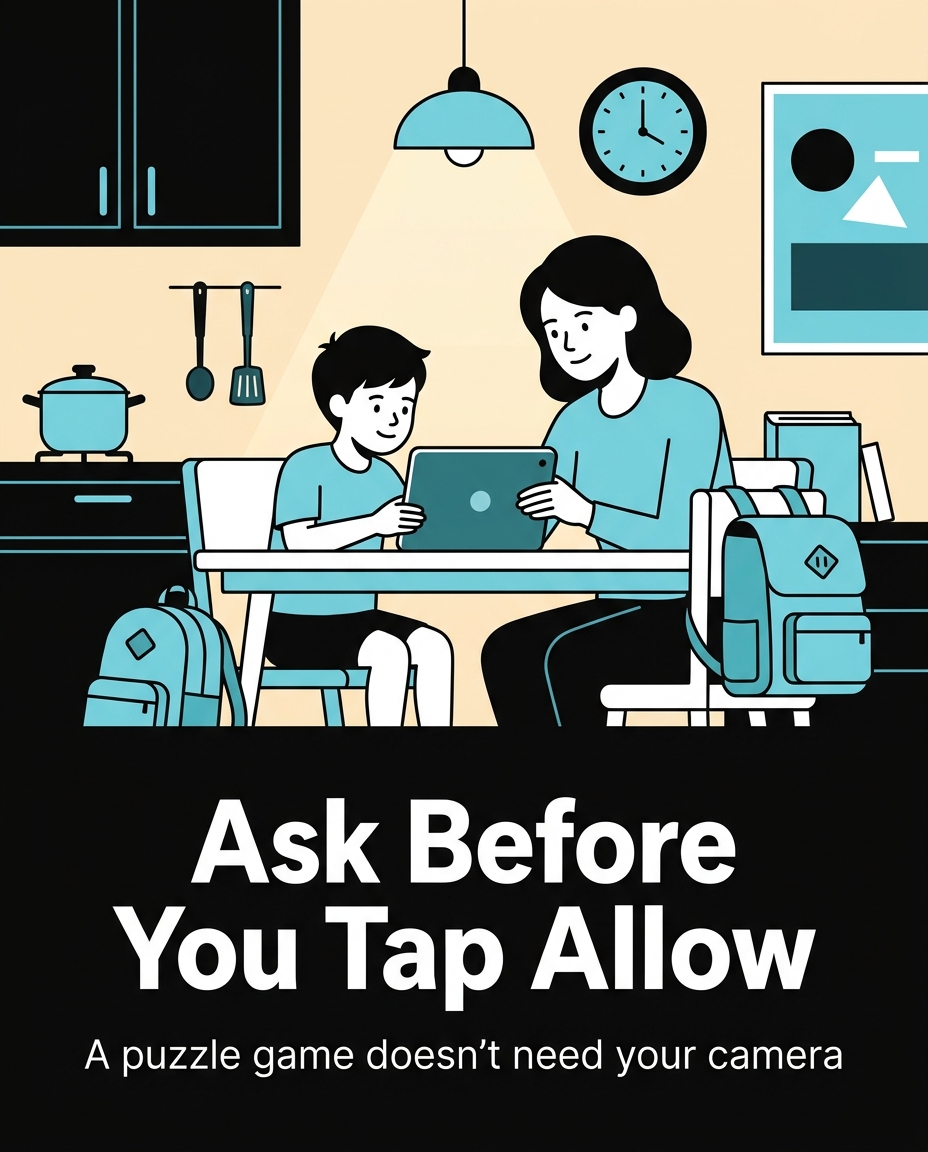
How to Play Smart: Tips for Protecting Your Data
You don’t have to stop playing your favorite games — you just need to play smart. Here’s how:
- Read permission requests. If a puzzle game asks for your contacts or location, ask yourself: does this game actually need that to work?
- Use a nickname, not your real name, for your gamer profile whenever possible.
- Ask a parent before creating an account that requires an email address or birthdate — especially if you’re under 13, since COPPA exists specifically to protect you.
- Turn off ad personalization in your device or game settings when you can. This limits how much of your activity gets tracked for advertising.
- Avoid connecting your game account to social media unless a trusted adult says it’s okay — this often shares more data between platforms than people realize.
A Quick Way to Check Any Game
Before downloading a new “free” game, try this three-question test:
- Does the app store listing mention ads or in-app purchases?
- Does it ask for permissions that seem unrelated to gameplay (like your contacts for a solo puzzle game)?
- Is there a privacy policy you or a parent can quickly check?
If the answer to any of these raises a red flag, it’s worth pausing and talking to a parent before continuing. Being curious about how technology works — including how “free” really works — is exactly the kind of thinking that makes you a smart, safe digital citizen.
Want to try it out? 🚀
- 🎬 Sample lesson: Free trial
- 📋 Full syllabus: View the program
- 🎓 Enroll & details: Cyber School courses
The International Cyber School Program (Grades 4–9): live online, globally recognized certifications, from fundamentals to CTF.
Frequently Asked Questions
Are all free games unsafe for kids?
No. Many free games are made by responsible companies that follow privacy laws like COPPA. The key is checking what data a game asks for and only sharing what’s truly needed to play.
Why did Epic Games have to pay $520 million?
The FTC found that Fortnite’s maker, Epic Games, collected personal data from players under 13 without getting proper parental permission, which violated children’s privacy laws in the U.S.
What should I do if a game asks for permission I’m not sure about?
Pause and ask a parent or trusted adult before agreeing. It’s always okay to say no to a permission request, especially if it doesn’t seem needed for the game itself.