

At 9:42 p.m. on a Tuesday, a 13-year-old in Ohio named her phone’s group chat “the burn book” without telling her parents. By the following Monday, more than 40 messages mocking her classmate’s weight and clothing had circulated through three different school grades. The target found out when a screenshot was AirDropped to her during lunch. This is not a rare story — it is Tuesday. According to the Cyberbullying Research Center’s 2023 national survey, about 27% of middle and high school students reported being cyberbullied in the previous 30 days, and nearly 15% admitted to bullying someone else online. For parents, the hardest part isn’t believing this happens — it’s catching it early, before it becomes a pattern that reshapes a child’s sense of safety.
What Cyberbullying Actually Looks Like in 2024
Cyberbullying has moved far past mean comments on a photo. Today it shows up as exclusion from group chats (being quietly removed from a Snapchat group of 15 friends), impersonation accounts (a fake Instagram profile using a classmate’s photos to post embarrassing captions), and “screenshot wars,” where private messages are captured and forwarded to humiliate someone. In one widely reported 2022 case from a Massachusetts middle school, a group of eighth graders created a shared Google Doc titled with a classmate’s name, where anonymous students added insults over several weeks. The target didn’t know it existed until a friend showed her — by then, 60+ entries had accumulated.
Gaming platforms are another common venue. On Discord and in voice chat during games like Fortnite or Roblox, kids report being targeted with slurs, doxxing threats (“I know where you live”), or coordinated “vote kicks” designed to humiliate a player in front of the group. Because this happens inside headsets and private servers, parents often have zero visibility.
Cyberbullying Warning Signs Parents Should Watch For
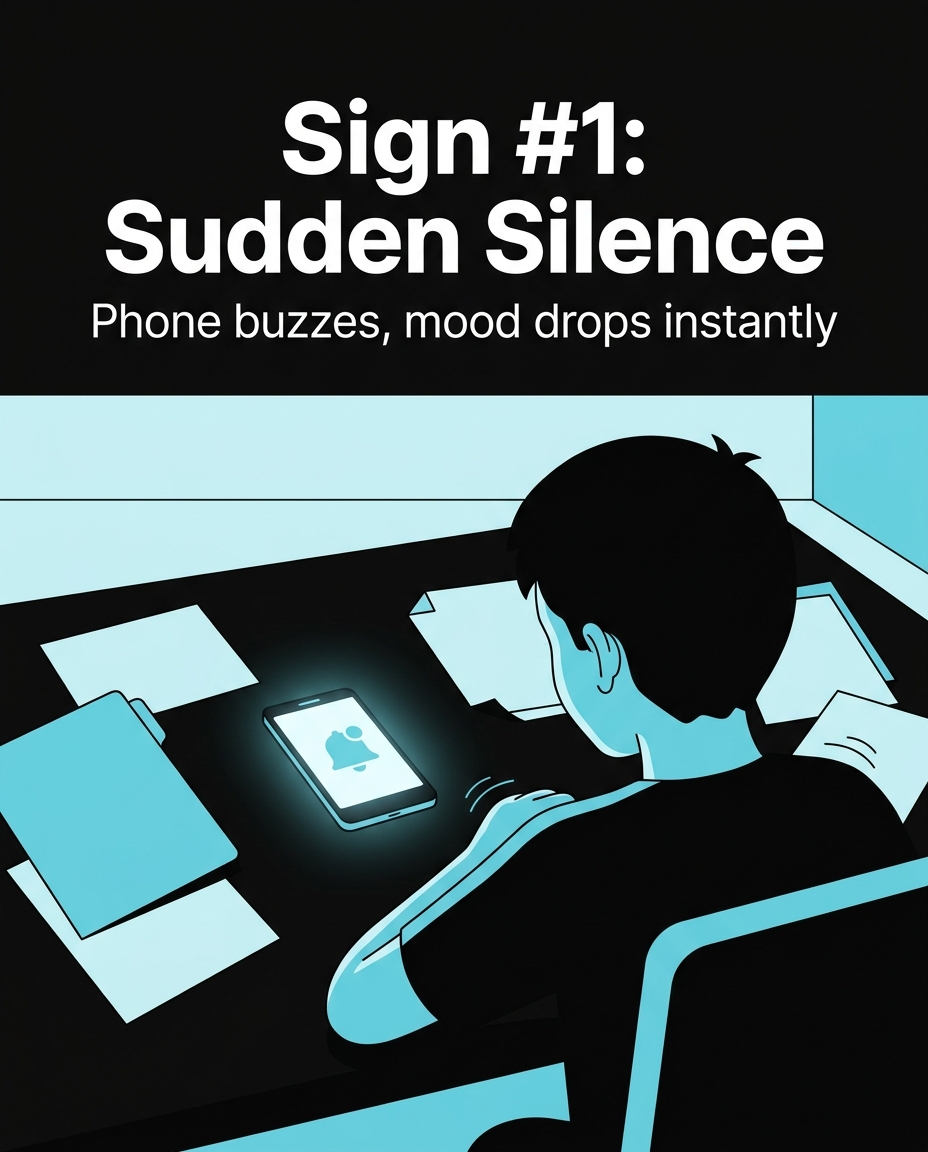
Kids rarely announce that they’re being bullied online — a 2021 Pew Research study found only 1 in 3 teens who experienced online harassment told a parent. That means the warning signs usually show up in behavior, not conversation. Watch for:
- Sudden phone avoidance or the opposite — obsessive checking. A child who used to check notifications casually but now flinches, hides the screen, or checks constantly with visible anxiety.
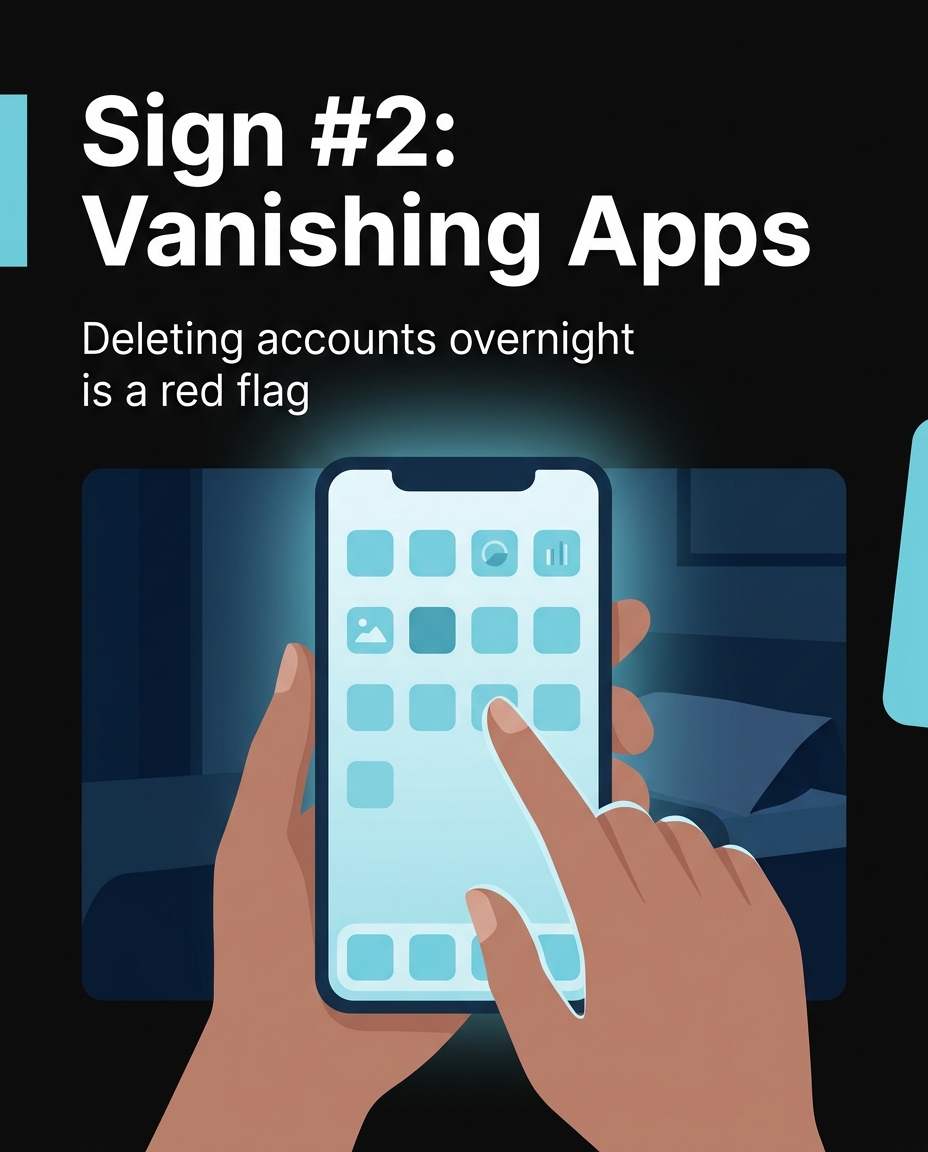
- Withdrawal from a specific app or group. Quitting a group chat, deleting Instagram, or refusing to open Snapchat can signal something happened there specifically.
- Physical symptoms tied to school days. Stomachaches or reluctance to go to school on days tied to a class where the bullying group overlaps.
- Grades dropping without an obvious cause. Concentration suffers when a child is mentally replaying an incident or monitoring their phone under the desk.
- Uncharacteristic anger after screen time. A child who is fine before opening a device and upset or tearful right after.
- Deleted messages or a sudden password change on a shared family account. This often means a child is trying to control what a parent might see.
One parent in California noticed her 12-year-old son had started deleting his entire Snapchat history every night — something he’d never done before. When she gently asked about it (not accused, just asked), it turned out a classmate had been sending him doctored images captioned with insults about his weight, and he was deleting them out of shame, not guilt.
The Three Roles: Target, Bystander, and Aggressor
It’s tempting to assume your child is only ever the victim, but cyberbullying research consistently shows fluid roles. A 2020 study published in the Journal of Adolescent Health found that 1 in 5 students who reported being cyberbullied had also cyberbullied someone else within the same school year — often as retaliation. Bystanders matter too: in group chats, silence reads as agreement. When a screenshot mocking a classmate gets 12 laughing-emoji reactions and zero pushback, the target sees that as the whole group turning against them, even if most kids just didn’t want to get involved.
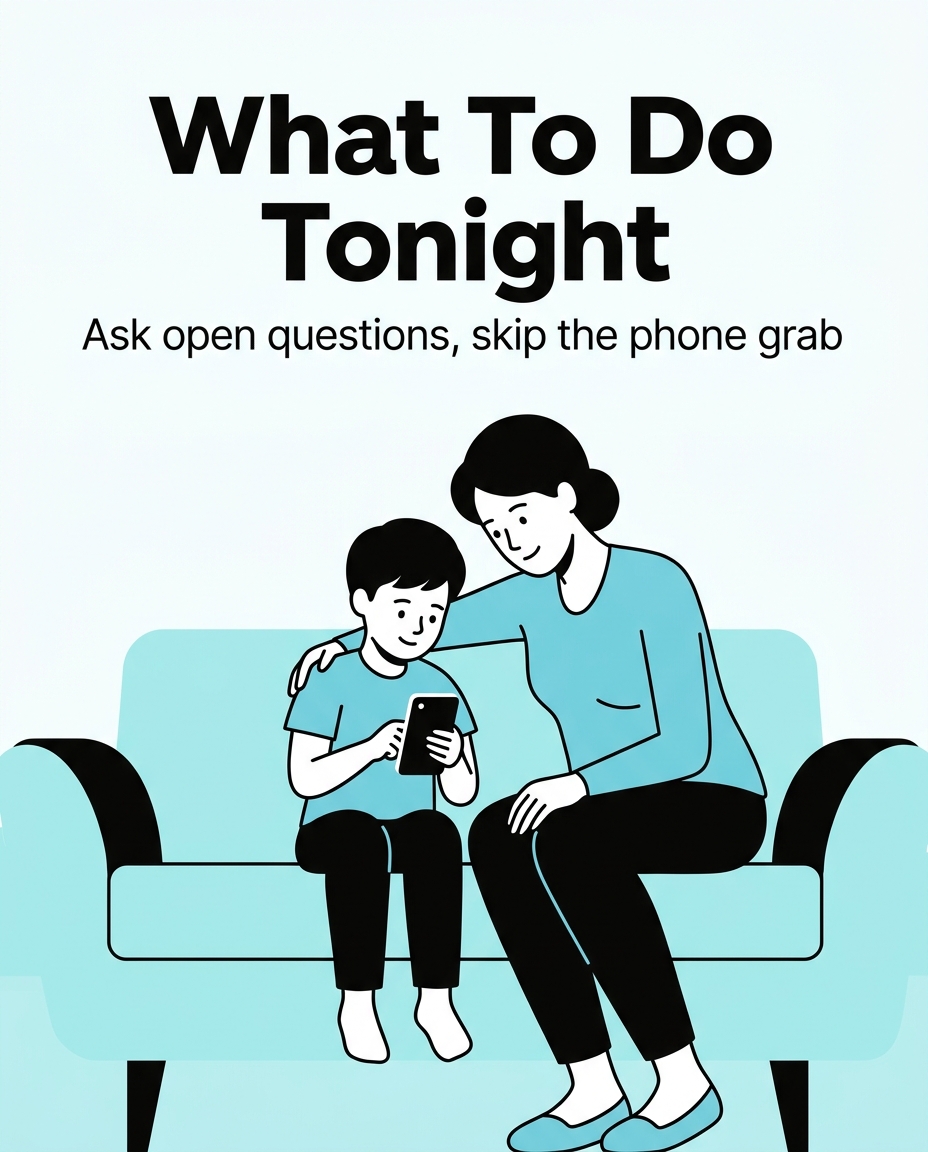
This is why conversations at home should never start with “were you bullied?” as the only question. Ask “has anyone in your class been getting picked on online?” or “what happens in your group chats when someone posts something mean?” These open-ended questions surface the bystander and aggressor roles too, not just the victim role.
What to Do When You Spot the Signs
If you notice two or more of the warning signs above lasting more than a week, it’s time to act — calmly, not with a device confiscation as the first move (that often shuts down disclosure for good, since kids fear losing their phone more than they fear the bullying continuing).
- Document everything. Screenshot the messages, note dates and usernames, and save them somewhere outside the app in case content gets deleted.
- Report on the platform first. Instagram, Snapchat, TikTok, and Discord all have in-app reporting tools, and platforms are required under their own policies to review harassment reports, often within 24–48 hours.
- Loop in the school if classmates are involved. Most US school districts now have cyberbullying policies covering off-campus conduct that affects the school environment — even if the messages were sent from home on a Saturday night.
- Involve law enforcement for threats. Doxxing, threats of violence, or sexual harassment/exploitation (including “sextortion,” which the FBI reported rising sharply among minors in 2023) should go to local police or the FBI’s IC3 tip line, not just the school.
- Get your child support, not just a solution. A school counselor or therapist can help a child process the shame and social fallout — fixing the technical problem (blocking, reporting) doesn’t automatically fix the emotional one.
Building Long-Term Resilience
The most protective factor identified across cyberbullying research isn’t parental control software — it’s whether a child believes a parent will react supportively rather than punitively. In a 2019 survey by the National Crime Prevention Council, teens who described their parents as “approachable” about online problems were more than twice as likely to report bullying early, before it escalated. Practically, that means normalizing regular, low-pressure check-ins about online life — “anything weird happen in your group chats this week?” — the same way you’d ask about their day at school, long before any warning signs appear.
Want to try it out? 🚀
- 🎬 Sample lesson: Free trial
- 📋 Full syllabus: View the program
- 🎓 Enroll & details: Cyber School courses
The International Cyber School Program (Grades 4–9): live online, globally recognized certifications, from fundamentals to CTF.
Frequently Asked Questions
What is the difference between normal peer conflict and cyberbullying?
Normal conflict is usually a single disagreement between peers of roughly equal social standing that resolves on its own. Cyberbullying involves repeated, intentional harm with a power imbalance — for example, one student and a group ganging up on a single target over weeks, using screenshots, exclusion, or impersonation to keep the harm going even after the original disagreement is over.
My child says they’re “fine” but I’ve seen warning signs — what should I do?
Don’t push for an immediate confession. Share a specific observation (“I noticed you’ve stopped opening Snapchat, and that’s new”) rather than an accusation, and let them know you’re not planning to take the phone away just for talking. Kids disclose more when they trust the conversation won’t end in punishment.
Should I install monitoring software on my child’s phone?
Monitoring tools can help with younger children, but for teens they often backfire by shutting down open communication and pushing risky conversations to hidden or disappearing-message apps. A better long-term strategy is consistent, judgment-free conversation paired with clear platform reporting and, when needed, school or law enforcement involvement.