
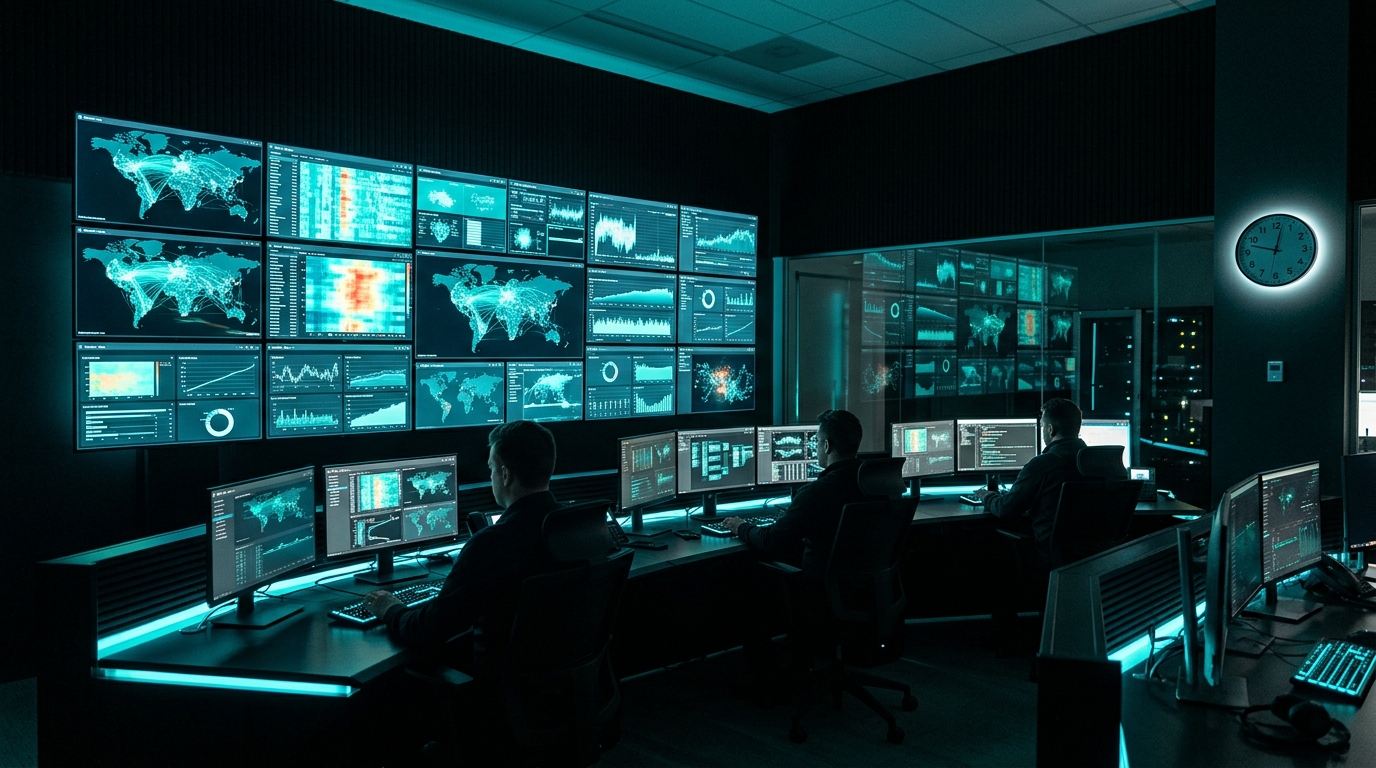
When a security operations center analyst at a mid-sized healthcare provider received an alert at 2:14 a.m. flagging unusual PowerShell activity on a domain controller, the difference between a contained incident and a front-page breach came down to what happened in the next 60 minutes. This is the reality of incident response first 60 minutes: the decisions made before coffee even brews often determine whether an organization writes a two-paragraph internal memo or a multimillion-dollar breach disclosure. For cybersecurity professionals, mastering this golden hour is not optional — it is the core competency that separates a mature program from a reactive one.
Why the First 60 Minutes Define the Outcome
Industry data consistently shows that dwell time and response speed are directly correlated with financial and reputational damage. IBM’s Cost of a Data Breach Report has repeatedly found that breaches contained in under 200 days cost organizations millions less than those that linger — and the first hour is where that containment clock either starts ticking in your favor or against you. Consider the 2021 Colonial Pipeline incident: a single compromised VPN password led to a ransomware event that shut down fuel delivery across the East Coast. Investigators later noted that faster isolation of the affected network segment in the earliest minutes could have prevented the operational technology shutdown that followed. The lesson for practitioners is blunt — triage speed is not a soft skill, it is a hard business metric.
In a real case handled by a financial services SOC in 2022, an EDR alert for “suspicious lsass.exe access” came in at 9:47 a.m. The analyst on shift recognized this as a potential credential-dumping attempt (a classic precursor to lateral movement using tools like Mimikatz). Within 40 minutes, the host was isolated, the account was disabled, and forensic imaging began. Because the response stayed inside that first hour, the attacker never pivoted beyond the single endpoint. Compare that to a 2023 manufacturing breach where the same alert type sat unactioned for six hours — by the time responders engaged, the threat actor had already moved to three additional servers and exfiltrated proprietary CAD files.

Minute-by-Minute: What a Real Response Looks Like
A disciplined first hour typically breaks down into recognizable phases, and professionals should train on this cadence until it becomes muscle memory:
- 0–5 minutes — Verify and Triage: Confirm the alert is not a false positive. In the healthcare example above, the analyst cross-referenced the PowerShell command line against known-good administrative scripts before escalating. This single step took under three minutes but prevented an unnecessary full incident declaration.
- 5–15 minutes — Declare and Assemble: If the activity is confirmed malicious or suspicious enough to warrant action, the incident is formally declared. This triggers the incident response plan: paging the on-call IR lead, looping in a designated executive sponsor, and opening a dedicated communication channel (many teams use a locked Slack or Teams channel separate from normal traffic, since attackers have been known to monitor internal chat in compromised environments).
- 15–30 minutes — Contain: This is the most consequential window. Containment might mean isolating a single endpoint via EDR, disabling a compromised account, or — in more severe cases — segmenting a VLAN. In the Colonial Pipeline case, faster segmentation between IT and OT networks in this window is precisely what post-incident reviews flagged as the critical missed opportunity.
- 30–45 minutes — Preserve Evidence: Before remediation destroys volatile data, responders capture memory images, relevant logs (EDR, firewall, DNS, authentication), and a timeline snapshot. A 2020 case involving a retail POS breach saw investigators lose critical volatile memory because a well-meaning IT admin rebooted the affected server at minute 38 — destroying evidence of the malware’s injection technique.
- 45–60 minutes — Communicate and Plan Next Steps: Stakeholders receive a factual, non-speculative status update. Legal and compliance teams are looped in if regulated data (PHI, PCI, PII) may be involved, since breach notification clocks — 72 hours under GDPR, and varying state-level deadlines in the US — effectively start close to this point.
Common Mistakes That Blow the Golden Hour
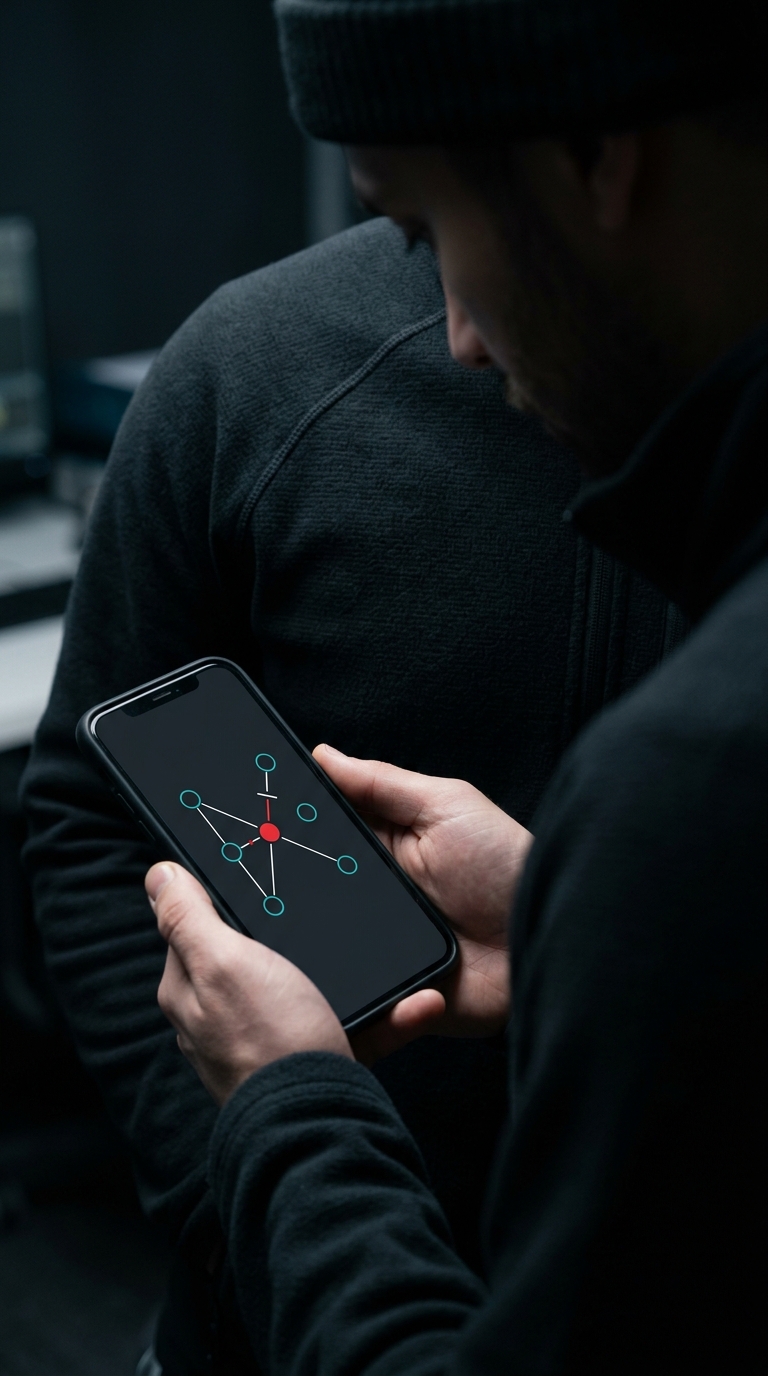
Even well-resourced teams make repeatable errors. The three most damaging, based on post-incident reviews across multiple sectors:
- Premature remediation. In the retail POS case mentioned above, the instinct to “fix it fast” by rebooting the server destroyed forensic value. Containment should isolate, not immediately clean, until evidence is preserved.
- Unclear ownership. A 2019 incident at a logistics company saw three different teams — network, security, and helpdesk — each assume someone else was isolating the compromised host. The delay stretched a 15-minute containment task into nearly two hours, during which the attacker escalated privileges domain-wide.
- Alert fatigue and under-triage. SOC teams processing thousands of daily alerts sometimes deprioritize signals that, in hindsight, were the opening move of a major breach. The 2013 Target breach famously involved alerts from a security tool (FireEye) that were seen but not acted on quickly — a cautionary tale still taught in SOC training today.

Building a Golden-Hour Playbook
Professionals should not rely on improvisation. Effective programs maintain tested, tabletop-exercised playbooks for their most likely incident types: ransomware, business email compromise, credential theft, and insider data exfiltration. Each playbook should specify exact isolation commands, contact trees with backups (not just one on-call name), and pre-approved communication templates so no one is drafting a customer notice from scratch at 3 a.m. Organizations that run quarterly tabletop exercises — simulating the first 60 minutes under time pressure — consistently show faster real-world containment times, according to SANS Institute incident handling research. The goal is that when the real alert fires, the team is executing a rehearsed sequence, not inventing one under stress.
Conclusion
The first 60 minutes of incident response is where preparation meets pressure. The organizations that fare best are not necessarily the ones with the biggest security budgets, but the ones whose teams know exactly what to do in minute one, minute fifteen, and minute forty-five. For professionals building or refining a security program, the golden hour deserves the same rigor as any other critical business process: documented, rehearsed, and measured.
Want to try it out? 🚀
- 🎬 Sample lesson: Free trial
- 📋 Full syllabus: View the program
- 🎓 Enroll & details: Cyber School courses
CSRP — Cyber Security Responder & Practitioner. Hands-on labs, job-ready skills, industry certifications for career-changers and pros.
Frequently Asked Questions
What is the “first 60 minutes” in incident response?
It refers to the critical initial window after a security alert is confirmed as a real incident, during which triage, declaration, containment, evidence preservation, and initial communication must happen to limit damage and prevent lateral movement.
What is the single most important action in the first hour?
Containment — isolating the affected system, account, or network segment — is typically the highest-impact action, since it stops an attacker from escalating privileges or moving to additional systems while evidence is still being gathered.
How can a security team improve its first-60-minutes performance?
Regular tabletop exercises tailored to the organization’s most likely threats (ransomware, BEC, credential theft), clearly assigned incident roles with backups, and pre-written communication templates all measurably reduce response time when a real incident occurs.